Using Historical Rainfall Data for Informed Construction: Enhancing Project Planning and Sustainability
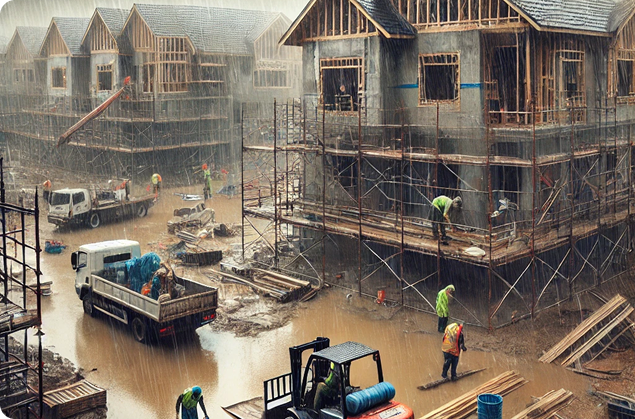
Environmental factors are pivotal to success in the construction industry. Rainfall is a critical element that can shape project outcomes, from delays in construction schedules to structural damage due to inadequate drainage systems. Understanding rainfall trends allows construction professionals to minimize risks, optimize design, and plan efficiently.
How can past weather patterns impact the success of construction projects? Why should rainfall data be crucial in the design and planning phases? Every construction manager or engineer should consider these questions when aiming for resilient, long-lasting infrastructure. In this blog, we’ll explore how historical rainfall data is used to inform better construction practices and why it should be an essential part of every project manager’s toolkit.
1. Importance of Historical Rainfall Data in Construction
Rainfall profoundly impacts various stages of construction, from site preparation to material selection, drainage design, and project timelines. Ignoring these factors can lead to severe consequences, such as compromised structural integrity or costly delays.
Site Preparation: Rainfall directly influences the foundational work on construction sites, especially soil stability. Waterlogged soils can lead to inadequate support for structures, and poor drainage systems might fail during heavy rainfall.
Material Choice: Certain construction materials are sensitive to moisture exposure. For example, using untreated wood or low-quality concrete in regions with frequent rainfall can lead to faster degradation, impacting the structure’s longevity.
Project Delays and Costs: Rainfall can disrupt construction schedules, increase costs, or create dangerous working conditions. Prolonged wet periods might prevent earthmoving or paving activities, leading to expensive delays.
By leveraging historical rainfall data, project managers can proactively address these issues, ensuring that projects are completed on time and within budget. Early-stage planning often involves understanding rainfall patterns in a region. For instance, building in coastal or flood-prone areas without accounting for heavy seasonal rains could result in foundation problems or expensive drainage retrofits. Rainfall data enables construction teams to prepare the site appropriately, preventing long-term issues and costly repairs.
2. Historical Rainfall Data for Risk Management and Project Planning
Other Blogs

Understanding Weather Patterns: A Comprehensive Guide
Read More→